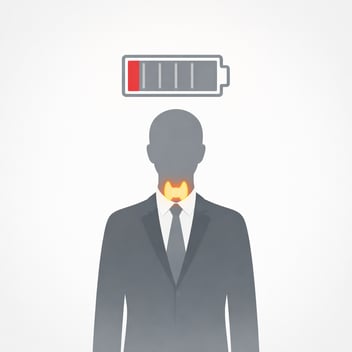


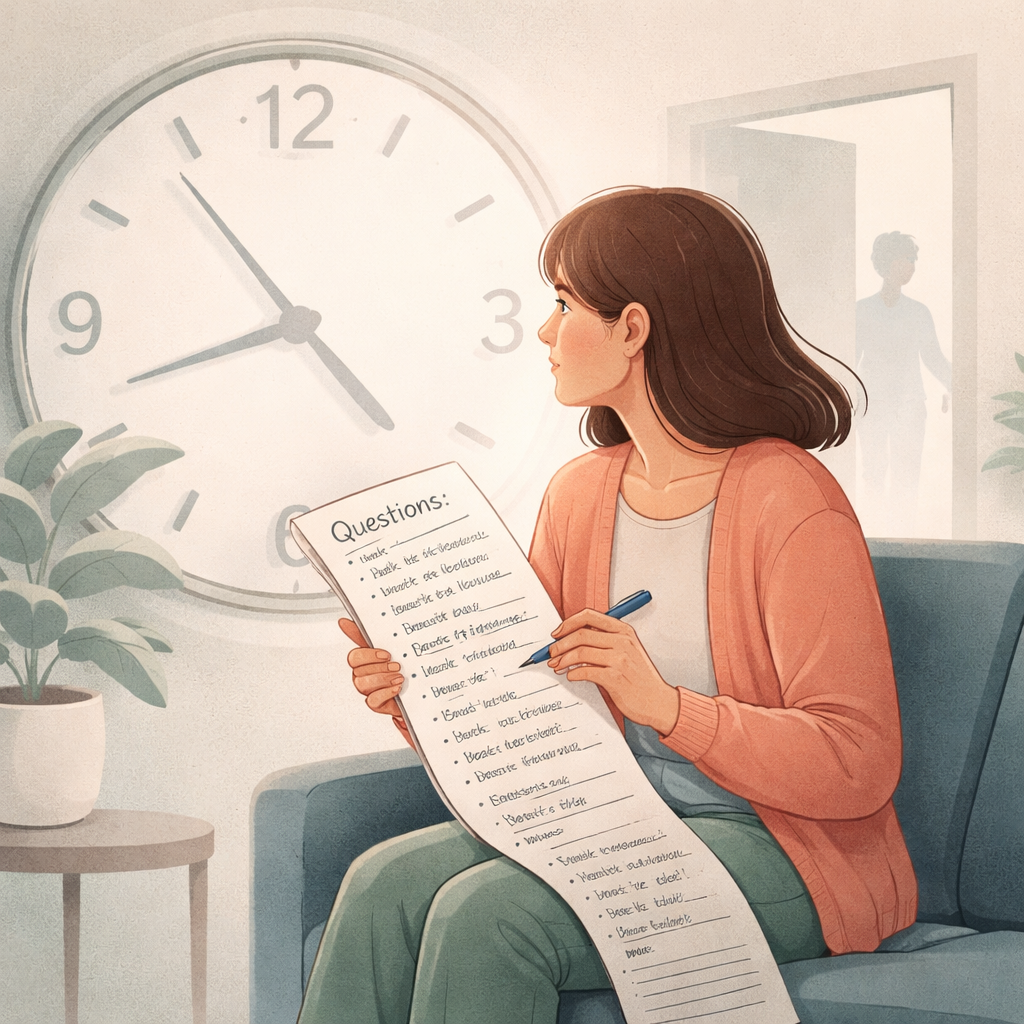
You might have questions like “how do I talk to my doctor about my thyroid?” on your mind as you head to your first appointment. You’ve waited over three weeks for the appointment and another 45 minutes in the waiting room staring at lists of symptoms you’ve been tracking, questions you’ve been saving up.
The doctor then walks in, asks you a few questions, and you’re leaving the clinic with a prescription for levothyroxine before you ever get a chance to discuss the items on your list. The entire appointment lasts no longer than 15 minutes.
You’re not alone if this scenario feels uncomfortably familiar, and you’re not crazy. This exact scenario plays out thousands of times daily in primary care offices all across the US, but there are strategies you can use to make these short appointments more productive.
How to Explain Thyroid Symptoms to Doctor: The 15-Minute Problem (And Why Your Doctor Isn't the Villain)
This might be a surprise to you if you’ve been neglected by doctors in the past, but the truth is, most of them want to help but lack core skills. Many of them studied medicine to help ease the suffering of patients battling diseases and to make a difference.
The real problem is that many of them get a harsh reality check when they finish their studies, feeling under-trained and are thrust into a healthcare system that isn’t designed for complex, nuanced conversations about root causes.
At times, primary care physicians in the U.S. express frustration at how primary clinic managers push them to cut corners or switch slots in schedules rapidly to squeeze out every billing code possibility to pump up revenue for the day.
These hectic schedules are chaos, created typically by poor clinic management, but par for the course. And unfortunately, these physicians quickly realize that their training did not prepare them for rapid interactions and troubleshooting.
In contrast, Ecuadorian physicians make use of very short time slots in the public healthcare system, similar to that in the U.S. They are trained to maintain humanity and achieve success in interactions with courses in medical school on rapport-building and much more extensive guidelines on pharmaceutical and non-pharmaceutical interventions.
As described to us by one Ecuadorian physician in regards to her typical day when she makes her rounds, she spends about 15 minutes with each patient, where she introduces herself, seeks to build initial rapport with the patient, and then assesses the patient in a risk-benefit analysis to see if the patient needs a pharmaceutical or non-pharmaceutical intervention. The goal in Ecuador, as this physician described to us, was to avoid medication where research indicates better results with lifestyle changes, as medication side effects burden the already heavily burdened Ecuadorian system.
Furthermore, if non-pharmaceutical interventions are appropriate, this allows her to loop in a dietitian to help manage primary care. Only if a case is too complex would she refer the patient to a specialist, as specialists are in short supply, and generalists are trained extensively in many countries in South America.
In comparison, clinical pathways in the U.S. are engineered for efficient completion of a billable encounter with medicolegal CYA instead of exploration of patient complaints. The system asks doctors to move patients through as fast as possible, so there’s little time to investigate root causes.
The standard path in the U.S. leads to a prescription when your thyroid panel shows elevated TSH. The problem lies within the healthcare system, not individual practitioners. However, issues within systems have real costs for patients.
TSH is a signal that lets you know your pituitary gland is working overtime as it attempts to stimulate thyroid hormone production, but it doesn’t tell you why it has to work so hard in the first place.
That “why” matters more than most patients ever realize.
How to Get a Full Thyroid Panel Ordered: What You're Probably Not Being Told (But Absolutely Should Know)
Here’s where things get interesting. The following factors are frequently not evaluated when patients are prescribed levothyroxine in the U.S. healthcare system:
- Free T4: This can help determine whether your thyroid is actually producing hormone at adequate levels.
- Free T3: This is the active form of thyroid hormone the body uses. The T4 produced by the thyroid is converted into T3, which cells can access. While conversion problems are common, it’s rarely tested for when patients are prescribed levothyroxine.
- Thyroid autoimmune markers: These include Thyroid Peroxidase (TPO) Antibodies, which would identify Hashimoto’s thyroiditis, an autoimmune condition that requires a completely different management approach than simple hypothyroidism
- Nutritional status: Micronutrients, particularly iodine, selenium, zinc, vitamin D, and iron, considerably impact thyroid function.
A patient’s nutritional status is arguably the most significant factor that is often overlooked when diagnosing hypothyroidism. Iodine and thyroid function have a closely linked relationship that most U.S. patients and a surprising number of clinicians don’t fully understand.
Can Iodine Help Hypothyroidism? The Part About Iodine That Changes Everything
The intuitive assumption to make is that iodine deficiency causes thyroid problems, which means more iodine is better, but that’s not how iodine works in the body. The relationship between iodine intake and thyroid function follows what researchers describe as a “U-curve of benefit.” Too little or too much iodine can impair thyroid function.
Patients who consume excessive iodine through seaweed snacks (sometimes pitched by health gurus as helpful for gut health), take multivitamins with high iodine content, use iodized salt, or eat other iodine-rich food sources might have elevated TSH due to their diets.
The high TSH levels are a byproduct of the thyroid’s response to the excess iodine in the system by reducing hormone production in a mechanism termed the Wolff-Chaikoff Effect. It’s a well-documented physiological response, even though the mechanism is still not fully understood and could involve multiple pathways towards the body achieving hypothyroidism in an attempt to avoid hyperthyroidism.
Addressing the dietary choices of such patients could resolve their elevated TSH without any medication. Unfortunately, this possibility is rarely explored during appointments where levothyroxine is prescribed simply because assessing total daily iodine intake from all sources isn’t part of routine primary care thyroid management in the U.S. In fact, we have had U.S. physicians report to us that they did not know that dietary iodine intake could impact the thyroid, nor that diet in general could impact the thyroid. Likewise, physician attitudes in the U.S. tend to downplay the importance of the thyroid.
Can Iodine Help Hypothyroidism? It Depends Entirely on Context
This brings us to a question patients often ask: “Can iodine help hypothyroidism?” The answer is frustratingly nuanced: It depends on whether the thyroid dysfunction is being caused by iodine deficiency.
Supplementation could potentially help the roughly 30% of the world’s population with iodine deficiency if the supplementation is titrated correctly and adjusted as the patients are monitored. However, it might make things worse for everyone else, particularly those with Hashimoto’s thyroiditis, where excess iodine (at even 250 mcg/day in supplementation as demonstrated in some studies) can trigger hypothyroidism or occasionally hyperthyroidism.
This is why self-prescribing iodine supplements without testing or medical guidance from a competent clinician is typically a bad idea. You could be pouring gasoline on a fire you didn’t even know was burning by supplementing iodine without testing.
So, How Do I Talk to My Doctor About My Thyroid, And Actually Get Somewhere?
Here are some tips to get more out of your clinician during your 15-minute thyroid appointment:
Before the appointment
Track any symptoms you have for at least two weeks before your appointment. Write down when symptoms occur, their severity, and what makes them better or worse. Also, write down any questions you have in order of importance since you might not get to go through your entire list during your appointment.
Examples of questions you might have on your list include:
- My TSH came back at X. Could we re-check my TSH and also check my Free T4, Free T3, and TPO antibodies to get the full picture?
- I was fasting before my last TSH test and took the test at X time of day. Can we try to keep conditions as similar as possible when re-testing? (We have seen PCPs give the incorrect information that fasting versus non-fasting does not impact TSH at all; in fact, this is well-covered in endocrinology research as having a significant impact, as TSH levels fluctuate throughout the day.)
- I’ve been reading about the relationship between nutrition and thyroid function. Are there specific tests that might show whether nutritional factors are playing a role?
- Before we decide on a long-term medication plan, I’d like to understand what might have caused my TSH to rise in the first place. What’s your approach to investigating root causes?
These questions position you as a collaborative partner. You’re asking to be part of the investigative process instead of challenging your doctor’s expertise.
During the appointment
Take notes during your appointment and ask for clarification if anything isn’t clear. If you feel rushed during the visit, you can say something along the lines of, “I know you have a busy schedule, and I really appreciate your time. I have a few more concerns I want to make sure we cover; can we book a follow-up time soon to discuss this more?”
Often, clinic management does not recognize the value in long-term, frequent patient check-ins and will be confused and potentially try to push back against anyone wanting a more frequent visit schedule than quarterly or twice a year. However, keep in mind that the pushback you might encounter could simply be due to their discomfort that they may disguise in claiming lack of insurance coverage if you visit more frequently, and so on.
You can always double-check such claims with your insurance company. Anecdotally, many of these clinics often have availability, as schedule fullness is typically due to manufactured chaos from mismanagement.
What Blood Tests Should I Ask My Doctor for Thyroid Dysfunction?
The most important piece of information we want you to walk away with, if you can only remember one thing from this article, is that TSH alone isn’t enough to figure out the “why” behind thyroid disorders.
Ask for a complete thyroid panel that includes:
- TSH
- Free T4
- Free T3
- TPO antibodies
- Thyroglobulin antibodies (TgAb)
Depending on your medical history and current symptoms, your doctor might also include reverse T3 and nutrient testing to assess co-factors like iodine, selenium, zinc, vitamin D, and iron.
How do I request a thyroid panel from my doctor without sounding like a WebMD warrior?
You could say, “I’d like to understand my thyroid function more completely. Would you be open to ordering a full panel that includes antibodies and all related hormones so we have a baseline to work from?”
Most reasonable clinicians will agree to this, and if they don’t, that’s useful information that lets you know this might not be the right provider for you.
My Doctor Won’t Test My Thyroid—What Should I Do?
This predicament is a lot more common than it should be. You probably typed in search phrases like “how to ask my doctor to check for thyroid hormones” to prepare yourself for your appointment, but your doctor refuses to order the tests.
Some options you can explore at this point include:
1. Ask for the refusal to be documented in your chart: This is sometimes enough to change their response.
2. Seek a second opinion: The General Medical Council (UK) and similar bodies in the US affirm that patients have the right to seek second opinions. Your PCP can refer you to another provider.
3. Use direct-to-consumer lab services: You can order your own tests, but you’d need a qualified healthcare professional to help interpret them.
Can Hypothyroidism Be Reversed?
The answer to the question “Can hypothyroidism be reversed?” depends on its root cause.
1. Hashimoto's thyroiditis
The autoimmune process might not be reversible for patients with Hashimoto’s thyroiditis. Research suggests that aggressively managing triggers, such as nutritional status, gut health, infections, and stress, can significantly reduce antibody levels and, in some cases, managing these triggers can restore normal thyroid function and bring autoimmune markers back into normal range.
2. Subclinical hypothyroidism
The possibility of reversing hypothyroidism is higher for patients with subclinical hypothyroidism, which typically presents as mildly elevated TSH with normal free T4. A 2021 review of research studies on thyroid hormone medication discontinuation found that about one-third of patients who were initially diagnosed with hypothyroidism and put on medication remained euthyroid, which means their TSH and free T4 levels remained within normal range, even after they stopped taking medication. The researchers noted that better frameworks were needed for guiding medication discontinuation.
3. Iodine-induced hypothyroidism
Iodine plays a vital part in thyroid function, and too much or too little can be equally bad for the thyroid gland. Addressing iodine overconsumption or deficiency can help to reverse this type of hypothyroidism.
So, can your thyroid start working again after you’ve been on levothyroxine? The answer is sometimes yes, but the only way to find out is to investigate the root cause of the problem.
How Do I Get Off Levothyroxine? (And Should I Even Try?)
You’ve probably searched for answers to questions such as “how do I get off levothyroxine?” as you wonder if you’ll have to take thyroid medication for the rest of your life. You may be experiencing side effects because of the medication that are impacting your quality of life.
The reality is that many people with damaged thyroid glands will have to take levothyroxine for the rest of their lives. However, many hypothyroid patients are lumped into this category, when arguably the majority of these patients may have thyroids that can function well, and their hypothyroidism is a sign that something else is at play, from the body attempting to quell hyperthyroidism to lack of proper nutrients in the patients’ diets to rarer cases of the pituitary itself being at fault in central hypothyroidism.
The thyroid glands of such patients may have been damaged through procedures such as radioactive iodine therapy, which intentionally destroys thyroid tissue and often stops the thyroid from working (or reduces its function) to treat hyperthyroidism or thyroid cancer. These patients then have damaged thyroids, preventing them from producing adequate amounts of thyroid hormone. Other patients have had their thyroid glands surgically removed. For such patients, the answer to the question “Will I always need levothyroxine?” is a resounding, yes.
However, patients who were prescribed levothyroxine for mildly elevated TSH without further investigation might not need to take medication for the rest of their lives if the root causes of their thyroid dysfunction can be addressed through nutrition.
Does Levothyroxine Need to Be Weaned?
If you and your doctor decide it's appropriate to discontinue the use of levothyroxine, you’ll need to be carefully weaned off it.
What happens if you stop taking levothyroxine cold turkey? This depends on how long you have been taking levothyroxine and how your body has responded to the synthetic thyroid hormone. Your thyroid hormone levels could drop considerably. This drop could lead to the return of symptoms like fatigue, weight gain, brain fog, and depression. In rare cases, untreated hypothyroidism can lead to a life-threatening emergency called myxedema coma.
Stopping levothyroxine abruptly can lead to significant side effects as the body has adapted to a specific hormone level, and removing that support could suddenly create chaos. In some cases, patients had severe reactions to levothyroxine and discontinued the medication, after only a brief period of taking levothyroxine, gradually feeling better as the synthetic hormone left their body slowly to due to the long half-life. However, if you have taken the medication long-term and tolerated it well without any severe side effects, you would do well to self-advocate against any sudden changes by your clinician, requesting guidance for a slow step-down approach with regular check-ins and lab work.
How Do I Wean Myself Off Levothyroxine?
The answer to the question “how do I wean myself off levothyroxine?” is quite simple: you don’t. Self-weaning off levothyroxine is dangerous. You should only wean yourself off levothyroxine under medical supervision. Here’s what it usually looks like:
- You consult with your doctor to discuss your reasons for wanting to stop medication and to evaluate if it's an appropriate change
- Baseline thyroid function tests are ordered to assess your TSH, Free T4, and Free T3.
- A dose reduction plan is created by your physician
- Blood tests are performed every four to six weeks (or whichever timeframe you and your physician decide is best) to monitor changes.
- Symptoms are tracked to assess if your condition worsens.
- Regular post-levothyroxine assessments can be performed to determine whether your thyroid functions adequately without medication over time, with more time between testing typically encouraged if you are showing signs of stability in thyroid function.
Symptoms of levothyroxine withdrawal you should watch for as your doctor gradually weans you off thyroid medication include fatigue, weight gain, constipation, dry skin, hair loss, depression, and sensitivity to cold temperatures. These symptoms could be a sign that your dose reduction is too aggressive.
Is There a Natural Substitute for Levothyroxine?
Natural thyroid supplements for hypothyroidism exist, but they’re not regulated by the Food and Drug Administration (FDA), as is the case with prescription medication. Potency varies for each product, and they sometimes contain unpredictable amounts of active thyroid hormone.
Some patients have taken desiccated thyroid from other mammals, such as cows or pigs. Two brand names are Armour Thyroid™ and Nature-Throid. However, endocrinologists may warn against these options due to inconsistency in supplements as well as differing thyroid hormone ratios in other mammals versus in humans. Some studies have shown interesting results during a blind study where the patients did not know which option they were taking between desiccated animal thyroid extract and levothyroxine. In one such study, the majority of patients preferred desiccated animal thyroid extract significantly over levothyroxine, and the clinicians were able to use each type to achieve normal thyroid levels for the patients. However, the question remains whether the patients were able to achieve long-term success, as other studies have shown that patients on desiccated thyroid experienced greater inconsistency in the amount they were receiving, which led to erratic test results and could potentially put the patients at higher risk of developing iatrogenic hyperthyroidism.
Some natural alternatives to levothyroxine, as far as thyroid support rather than hormone replacement, that are supported by research include:
- Selenium supplements, which help to reduce thyroid antibodies
- Vitamin D supplements for immune modulation
- Zinc supplements for thyroid hormone synthesis
- Iron supplements are required to produce thyroid hormones (T3 and T4) and for proper thyroid peroxidase enzyme activity
However, while each supplement option has been covered in research, we encourage a food-first approach if possible, the nutritional impact of food-based nutritional support being under-addressed in research as it can present more variability with less ability to simply prescribe a certain number of micrograms or milligrams of a vitamin in isolation. Anecdotally, some patients have reported to us major costly issues with certain supplement side effects, such as mouth dryness from iron supplements, causing significant dental issues.
Herbs like ashwagandha have shown some promise regarding thyroid health, but the research is limited, and results vary dramatically. Essential oils have even less research regarding their impact on thyroid health.
The more reliable cure for thyroid dysfunction driven by nutritional deficiency, autoimmunity, or other modifiable factors is to identify, assess, and address root causes, which in turn reduces or eliminates the need for medication and/or a substitute for levothyroxine as far as another hormone replacement option.
In short, I am someone who's walked this walk personally and looked for natural options for levothyroxine after a horrific, week-long reaction to only 25 mcg of the small pill (a reaction which I was promptly told was impossible by my physicians who then implied that I would die eventually from a TSH of about 14 and a normal free T4 as my thyroid slowly gave out and that there was no hope for me). After I realized that my hypothyroidism started at the time I had increased my intake of fortified foods (which were also fortified in iodine), I slowly started decreasing my excess iodine intake and quickly dropped weight and gained an appetite. My next thyroid panel showed that my overt hypothyroidism had downgraded to subclinical. A few months later, after I finally realized that I had been eating a source of hidden iodine all along in iodized salt in the can of chickpeas I ate each day, I slowly decreased my intake of this brand of chickpeas as well and finally was euthyroid. My thyroid hormones were once again in normal range with no need to take any medication.
Creating a Diet for Thyroid Patients to Reduce Medication: What Actually Works?
Let’s start with thyroid dysfunction caused by Hashimoto’s disease, since search terms like “best diet for Hashimoto’s to lose weight” are quite popular. The answer to that question is more nuanced than any dietary plan.
Here’s what the research supports:
- Getting adequate quantities of selenium from sources like Brazil nuts, tuna, or eggs, while being cautious about the iodine content in fish and eggs
- Consuming zinc-rich foods like oysters, beef, and pumpkin seeds
- Eating iron-rich foods to counter any deficiencies
- Getting sufficient amounts of vitamin D from sunlight, fatty fish, or supplements
Creating a diet plan for thyroid patients to reduce their dependence on medications should focus on creating optimal conditions for the thyroid gland to function as well as possible, which may, in turn, lower the need for medication.
How to Lower Thyroid Antibodies Naturally
Some of the ways research suggests lowering thyroid antibodies naturally include:
- Proper selenium intake
- Vitamin D optimization
- Iodine intake in moderation
- Stress management, as chronic stress dysregulates immune function
Natural treatments for Hashimoto’s flare-ups include temporarily increasing anti-inflammatory foods, getting adequate sleep, managing iodine intake and other micronutrients, reducing stress, and working with a doctor and dietitian to determine if your medication needs adjustment.
What’s Coming—And Why It Matters
We’re collaborating with a Colombian credentialed dietitian for a research-backed deep dive into thyroid nutrition, levothyroxine, and what a complete nutritional workup looks like.
Why a Colombian dietitian? Because nutrition training in Colombia and other South American countries typically covers micronutrient metabolism, iodine physiology, and thyroid nutrition to a much deeper extent than nutritional training in the U.S.
This future article will cover:
- The nutritional factors that are rarely assessed before prescribing levothyroxine
- What the evidence says about micronutrients and thyroid hormone conversion
- What genuine caution around medication changes looks like
- Questions that deserve answers before accepting a lifetime prescription
Our Colombian collaborator will also help to create a two-page conversation guide to help you get the most out of your appointments, including what lab tests to request and dietary factors to discuss.
Will I Always Need Levothyroxine? The Bottom Line
The US healthcare system isn’t set up for deep exploration of root causes during 15-minute appointments.
You don’t need to become a thyroid expert overnight. You don’t need to second-guess every medical decision. But you do need to know what questions to ask, what tests matter, and when to push for a deeper look.
Can hypothyroidism be reversed? Sometimes. Do I need thyroid medication forever? Not always. Is there a natural substitute for levothyroxine? For some, addressing root causes reduces medication needs. For others, medication remains necessary, and that’s okay.
The goal isn’t to avoid medication at all costs. The goal is to make sure the medication you take is actually necessary, at the right dose, for the right reasons. The goal is also to increase the number of effective options available. Far too many patients are told that they have "failed" a medication when the system fails them. They are then told there are no other options simply because US medical school textbooks don't cover non-pharmaceutical approaches to disease management according to our South American contacts.
Sign up for our free monthly newsletter to receive notification when the Colombian dietitian’s article goes live, and watch our course, Are You Consuming Too Much Iodine? Excess Intake & Thyroid Disorders, for a better understanding of how nutrition, particularly iodine, impacts thyroid health.
Disclaimer: The content on this platform reflects healthcare systems analysis and patient experience research. Nothing here constitutes medical advice or replaces the guidance of a licensed clinician. Do not make changes to any medication or treatment plan without physician supervision.